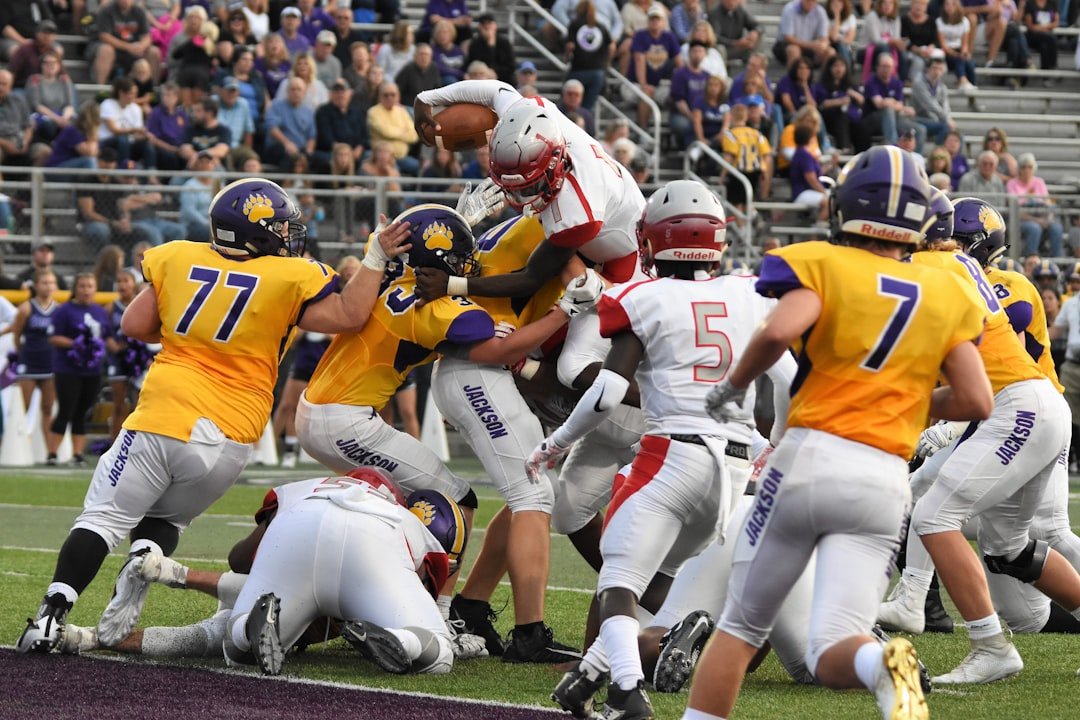
Spring football camp is underway for the University of Idaho Vandals in Moscow, and the 2026 edition brings a notably different look on both sides of the ball. With a new offensive coordinator, a new defensive coordinator, and a young but promising skill position group, there is plenty for Vandal fans to monitor as practices run through the month of April.
Idaho head coach Thomas Ford Jr. and his staff are conducting practices every Tuesday, Thursday, and Saturday throughout April at the Kibbie Dome in Moscow, with the spring game scheduled for May 1. Here is a closer look at the three biggest storylines shaping Idaho’s spring camp this year.
A New Offensive Identity Under Ian Shoemaker
The most significant change for the Vandals heading into the offseason was the addition of offensive coordinator Ian Shoemaker, who was brought on in late December. Shoemaker carries nearly 30 years of experience coaching at the FBS, FCS, and Division II levels — a track record that includes developing quarterbacks and constructing high-scoring offenses at nearly every stop in his career.
The need for offensive improvement is clear when examining last season’s numbers. Idaho’s passing attack ranked ninth in the Big Sky Conference, accumulating 2,421 passing yards, 19 touchdowns, and eight interceptions through the course of the season. Junior quarterback Joshua Wood, the team’s starter, missed significant time due to injury and finished with 1,898 passing yards, 14 touchdowns, and five interceptions. Wood also served as the team’s leading rusher, totaling 589 yards and seven touchdowns on 86 carries.
Under Shoemaker’s system, the Vandals are expected to play at a faster tempo, spreading the defense sideline to sideline while taking calculated shots downfield. The approach requires the offense to move quickly to the line of scrimmage, read the defense, and attack with a variety of inside runs, outside runs, and both intermediate and deep passes. There may be growing pains early, but if the scheme is executed properly, it could represent a significant step forward for the Idaho offense.
Defensive Coordinator Lee Stalker Brings a Multiple-Front Scheme
On the other side of the ball, Lee Stalker takes over as defensive coordinator after the departure of Cort Dennison, who left to become co-defensive coordinator at Oregon State. Stalker arrives from Iowa State, where he spent three seasons working as a defensive assistant for quality control and a pass-rush specialist.
Stalker’s approach is built around a “multiple system” — utilizing a variety of defensive fronts including a 3-3-5, a 3-4, and a 4-2-5. The philosophy is to keep opposing offensive coordinators guessing from snap to snap, making it difficult to identify the defensive structure and call plays accordingly.
Addressing the pass rush is a top priority. Idaho finished dead last in the Big Sky Conference with just 15 sacks over 12 games last season, and the team’s most productive pass rusher, Matyus McLain, who totaled 4.5 sacks, transferred to Washington State. To help fill that void, the Vandals brought in twin brother senior transfers Javen and Jamarion Augustus, who are expected to be a focal point of the new defensive front. Stalker, who has said he wants to build on the defensive unit’s previous successes, will be looking for his group to set the tone early during spring practices.
Young Skill Players Look to Emerge in a Pass-Heavy System
Perhaps the most intriguing storyline this spring involves the development of a young and injury-tested group of skill players who could flourish in Shoemaker’s more aggressive passing attack.
Wide receiver Ryan Jezioro, a rising sophomore, led the team with 27 catches for 347 yards and four touchdowns last season — a campaign that was cut short by injury. Fellow sophomore Marquawn McCraney added 22 catches for 306 yards and two scores, while junior Tony Harste contributed 11 receptions for 178 yards before also dealing with injury. Coaches are looking to develop each receiver’s individual identity within the offense: Jezioro as a possession receiver, McCraney as a deep threat, and Harste as an inside route specialist. The Vandals have shown they can compete at a high level athletically, as demonstrated by Idaho’s record-setting performance at a recent Spokane track meet.
In the backfield, junior Art Williams returns from an injury that ended his 2025 season in Week 4. Junior Carlos Matheney will take on a larger role following the graduation of Elisha Cummings and Nate Thomas. Junior transfers Ferrari Miller and Damonte Bias are also working into the game plan, along with freshman Kenny Golston, described as an explosive addition. Together, the group is expected to form a run-by-committee backfield that complements the new passing scheme.
For Vandal fans and University of Idaho athletics followers, April practices offer the first tangible look at what the 2026 season may hold. With major changes installed on both sides of the ball and a growing group of skill players eager to prove themselves, spring camp at the Kibbie Dome in Moscow is well worth watching. The University of Idaho continues to maintain a high academic and public affairs profile, with events including an upcoming Ethics Symposium featuring a national media keynote speaker also drawing attention to the Moscow campus this spring.
What Comes Next
Idaho’s spring football practices will continue every Tuesday, Thursday, and Saturday throughout April at the Kibbie Dome in Moscow. The spring game is scheduled for May 1, giving fans their first public look at the new offensive and