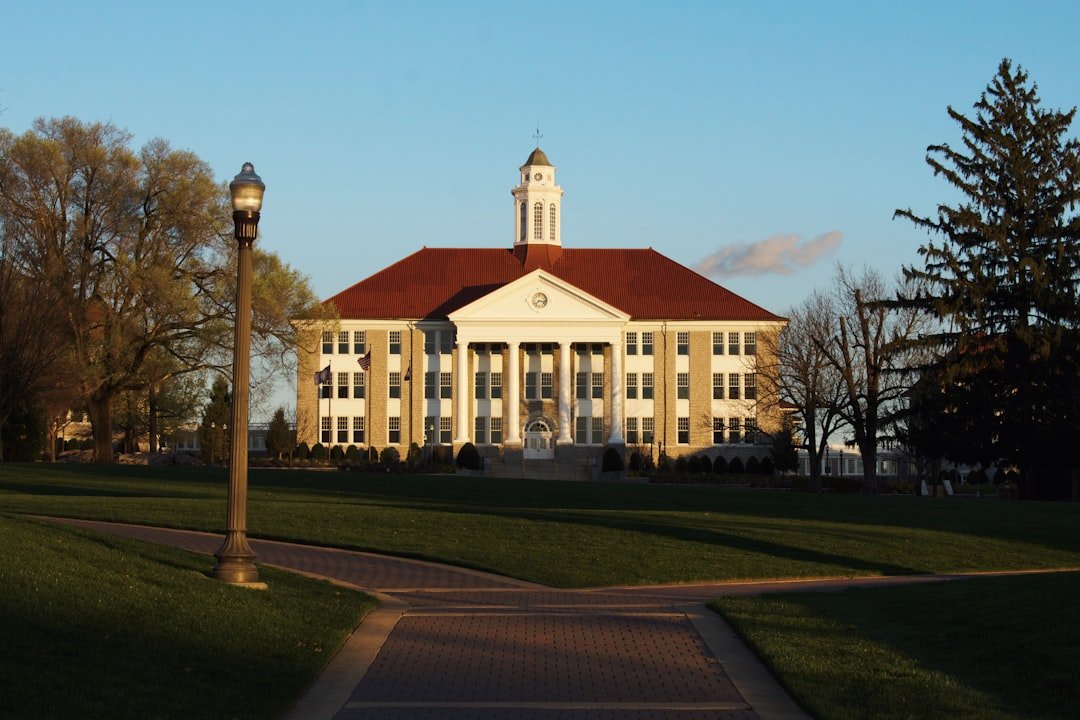
USDA Reinstates $59 Million Grant to University of Idaho for Idaho Agriculture Marketing Project
The University of Idaho in Moscow will receive a reinstated $59 million federal grant from the U.S. Department of Agriculture to support an ambitious agriculture marketing and research program targeting Idaho farmers across 34 counties — marking what university officials are calling the largest grant do-over in school history.
The grant, originally approved in 2024 as part of a five-year initiative called the Innovative Agriculture and Marketing Partnership (IAMP), was rescinded by the USDA after a dispute over how funds would be distributed to participating farmers. Federal officials required that at least 65% of the funds flow directly to farmers, up from the original 56% allocation. The university revised and resubmitted the program, and officials learned approximately two weeks ago that the grant had been reinstated.
What the Grant Covers and Who Benefits
The IAMP program is designed to help more than 200 Idaho farmers develop and market sustainable growing methods, with the goal of connecting consumers to information about the soils and agricultural practices behind Idaho-grown commodities. Crops involved in the project include barley, beef, chickpeas, hops, potatoes, sugar beets, and wheat — a roster that reflects the breadth of Idaho’s agricultural heritage on the Palouse and beyond.
Eligible farming practices supported under the grant include reduced tillage, cover cropping, prescribed grazing, intercropping, reducing synthetic fertilizer use in favor of organic nutrient sources, and biochar application. The program will hire a marketing specialist to study consumer response to participants’ marketing efforts, along with three financial staff members to support program operations.
Erin Brooks, a professor in the Department of Soil and Water Systems at the University of Idaho, said the program is now in the early stages of standing back up after the reinstatement. “At this point, we are just setting up the budgets,” Brooks said in remarks reported by The Spokesman-Review. “Of course it’s going to take some transition to set up the people and the infrastructure to get these contracts going. It’s going to take a little bit of time to get growers under contract again. We’ll be working throughout the summer, gearing up, and by this fall we’ll be having a lot of contracts with growers.”
Beyond individual farm operations, IAMP will also partner with the Nature Conservancy, Desert Mountain Grass-Fed Beef, and the Nez Perce and Coeur d’Alene tribes, broadening the program’s reach across Idaho communities.
Building the Next Generation of Idaho Farmers
One of the program’s stated goals is drawing younger generations into agriculture — a concern shared by farmers, extension educators, and agricultural researchers across rural Idaho. Brooks said inspiring the next generation of farmers is central to his professional mission.
“The motivation of my career is, how do I help agriculture and at the same time improve the quality and soils and have the next generation of farmers really want to farm?” Brooks said in remarks reported by The Spokesman-Review. “With AI and all the tools we have, this is a good opportunity to hopefully convince some of the younger generations to continue farming.”
Doug Finkelnburg, a University of Idaho Extension educator in cropping systems who is helping manage the program, emphasized the resilience benefits the program aims to deliver to Idaho’s farm economy. “The practices we’re incentivizing will help make the farms more resilient to risk,” Finkelnburg said. “We’re incentivizing practices that build soil carbon, increase water storage in soils and make it less risky to do production agriculture.”
Brooks suggested the program could have broader economic ripple effects across small communities in the region. Any data generated through IAMP will be shared at grower meetings, field days, regional conferences, and other farmer-focused events. Research updates will also be posted publicly at iamp.uidaho.edu as the program gets underway.
For Idaho’s agricultural sector — long anchored by Palouse wheat, lentils, and specialty crops — the reinstatement of the IAMP grant represents a significant opportunity to strengthen the economic viability of farming while promoting stewardship of the land that has defined rural Idaho for generations. The University of Idaho has faced several pressures on the budget and academic fronts in recent months, including rising tuition rates at Idaho’s public four-year colleges, making a federal grant of this scale a meaningful boost for the institution’s land-grant mission.
The University of Idaho’s engineering and applied sciences programs have also drawn attention this spring, as seen in events like the Engineering Design EXPO keynote from Tom Mueller, reflecting the institution’s broad research reach across disciplines.
What Comes Next
University officials say IAMP staff will spend the summer rebuilding contractor relationships and establishing program infrastructure. By fall 2026, officials expect a significant number of grower contracts to be active across Idaho’s 34 participating counties. Field events will be hosted throughout the state to publicly demonstrate program practices on working farms. Farmers interested in participation or seeking more information can monitor updates at iamp.uidaho.edu as the program formally relaunches.