University of Idaho College of Law Names Three Finalists for Dean Position
MOSCOW, Idaho — The University of Idaho has identified three finalists in its search for a new College of Law dean, with campus forums underway this week as the institution works to fill a leadership vacancy that opened earlier this year.
The three candidates bring a range of academic, administrative, and legal experience to the table. The University of Idaho College of Law is one of the state’s premier legal institutions, and the selection of its next dean carries significant implications for legal education across Idaho and the broader Palouse region.
Meet the Three Finalists
Marisa Cianciarulo, currently serving as Dean of Western State College of Law in Irvine, California, is among the finalists under consideration. Cianciarulo brings direct experience leading a law school and would arrive with an established record of academic administration.
Alan Romero, Senior Associate Dean of the Rural Law Center at the University of Wyoming College of Law, is also a finalist — and is not a stranger to Moscow. Romero previously served as a faculty member at the University of Idaho College of Law, giving him firsthand familiarity with the institution’s culture, student body, and academic mission. His background in rural law is particularly relevant given Idaho’s strong agricultural heritage and the legal needs of rural communities across Latah County and the state.
Brian Kane, currently serving as Executive Director of the National Association of Attorneys General, rounds out the finalist pool. Kane has deep Idaho roots: he earned his bachelor’s degree from the University of Idaho and previously served in the Idaho Attorney General’s Office as Chief Deputy. His background in state-level legal administration and his ties to Idaho’s legal community make him a compelling candidate with strong local credibility.
All three finalists are participating in campus forums this week, giving University of Idaho faculty, students, and staff the opportunity to evaluate each candidate firsthand before a final decision is made.
How the Vacancy Opened
The dean’s position at the University of Idaho College of Law became available in January when Aviva Abramovsky stepped down to accept the position of President and CEO of the National Judicial College. Abramovsky’s departure created a leadership gap at a critical time for the institution, which serves as Idaho’s only public law school and plays a central role in training attorneys who serve communities across the state.
The University of Idaho College of Law has a long history of producing graduates who go on to serve in Idaho’s courts, state government, private practice, and public service. The next dean will be responsible for guiding the school’s academic direction, managing faculty and staff, maintaining accreditation standards, and fostering relationships with Idaho’s legal and business communities.
With candidates like Romero — whose work focuses on rural legal issues — and Kane — who brings direct experience in Idaho’s attorney general’s office — the finalist pool reflects a thoughtful effort to find leadership attuned to the practical legal challenges facing Idaho residents and rural communities in particular.
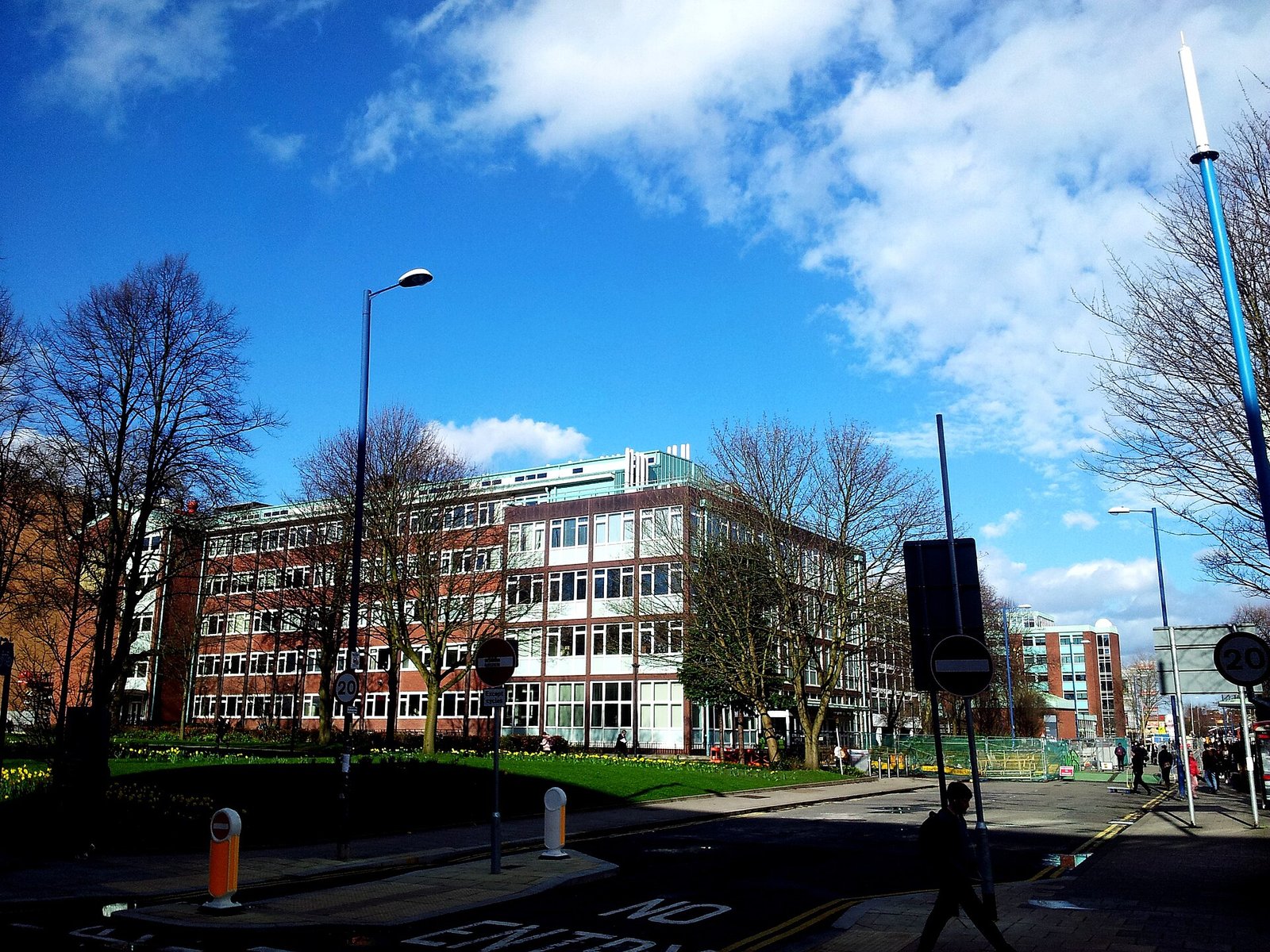
The University of Idaho, located in Moscow along the Palouse, continues to be a cornerstone institution for higher education in northern Idaho. For the latest on Vandal athletics and campus news, readers can also follow the Vandals’ ongoing competition schedule and standout student-athlete achievements coming out of the university this spring.
For broader coverage of higher education and policy developments across the state, visit Idaho News.
What Comes Next
Following this week’s campus forums, university leadership is expected to evaluate feedback from the UI community and move toward a final selection. No timeline for an official announcement has been publicly confirmed, but the search process appears to be in its final stages. Once named, the new dean will take the helm of one of Idaho’s most important legal education institutions at a pivotal moment for the state’s judicial and legal landscape.